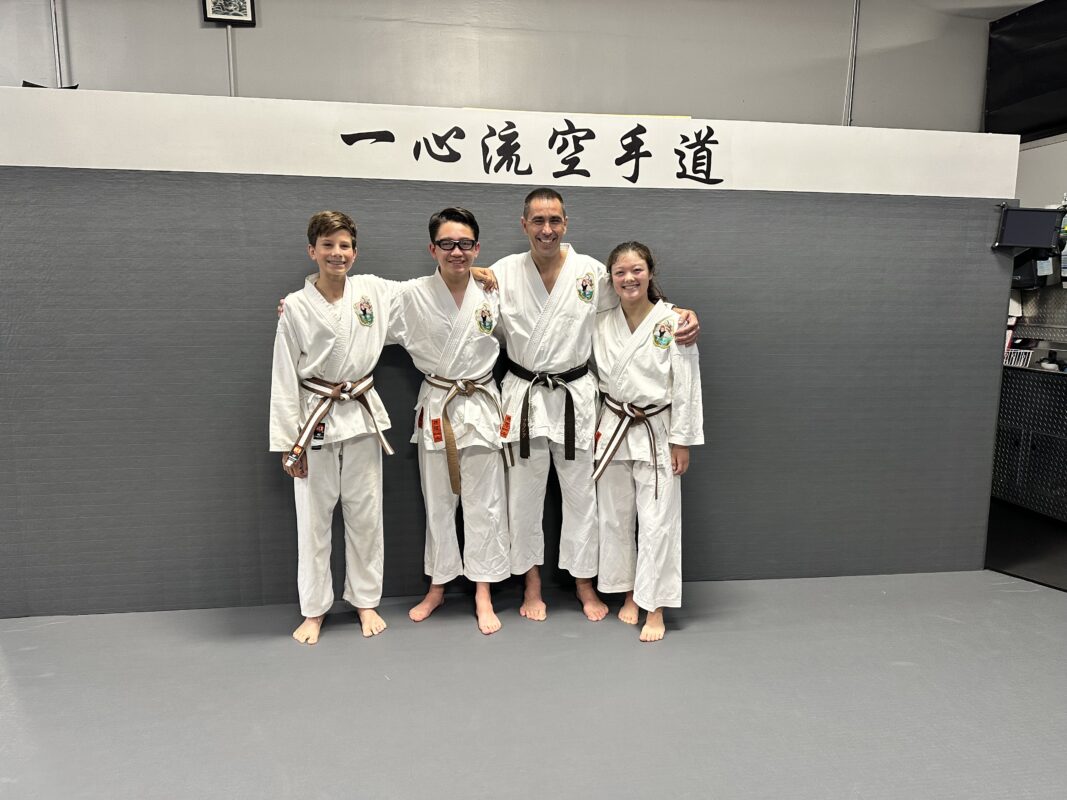
Keiko Hajime, or the “beginning of training,” is more than a New Year’s ceremony in Japanese martial arts. At Practical Karate in San Diego, it becomes a modern, community-centered event that blends traditional values with new ways to celebrate discipline and growth. The Meaning of Keiko Hajime in Japanese Martial Arts Keiko Hajime has long […]
Category Archives: Karate
San Diego’s martial arts scene is crowded, but Practical Karate stands out by emphasizing practical, pressure-tested skills. Here, training delivers clean fundamentals, effective self-defense, and real-world readiness. A core feature is how peer mentoring elevates Instruction, and supervised student-to-student coaching that amplifies learning while maintaining quality control. What “Practical Karate” means in a modern San […]
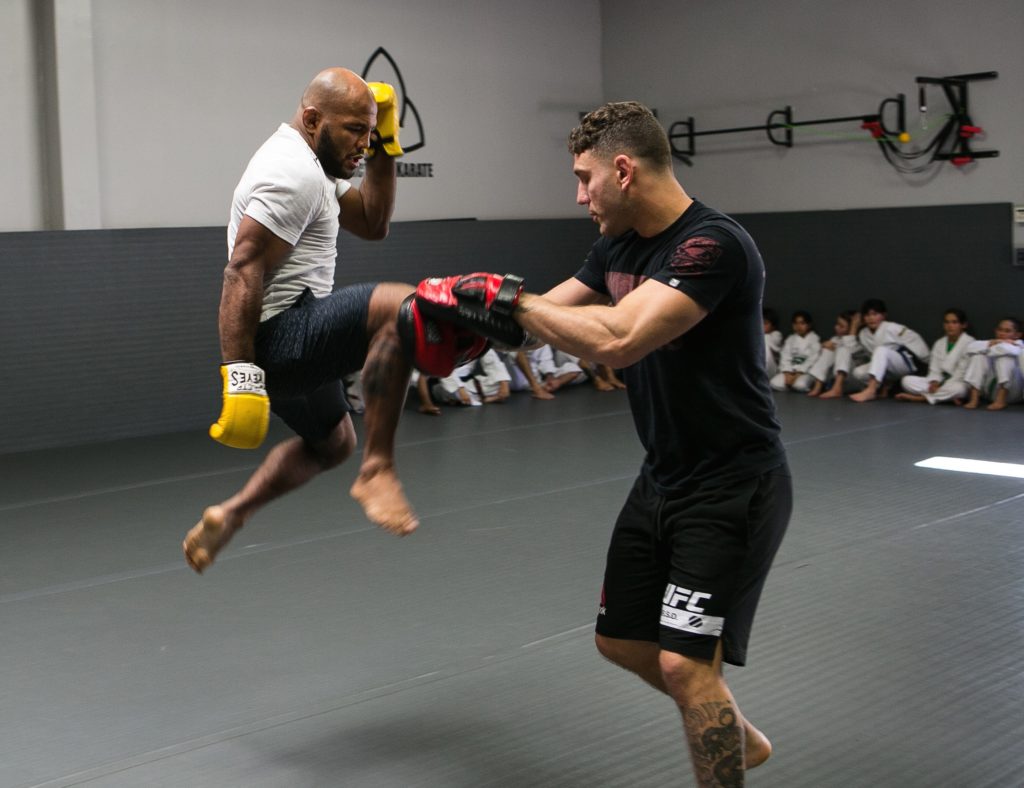
The Physical and Mental Benefits of Martial Arts for Adults When most people think of karate classes, they often picture energetic kids in white uniforms practicing punches and kicks. But at Practical Karate in San Diego, martial arts training is far from being just a youth activity. In fact, an increasing number of adults—busy professionals, […]
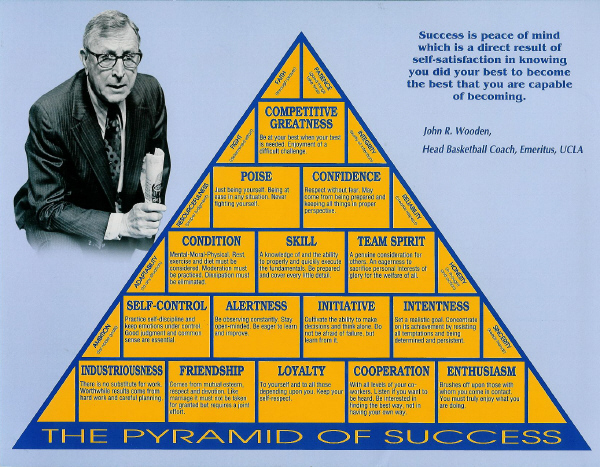
Book Summary of Coach John Wooden’s Pyramid of Success: A Blueprint for Life and Leadership Few figures in sports history have left as lasting a legacy as Coach John Wooden. Known as the “Wizard of Westwood,” Wooden led the UCLA Bruins to 10 NCAA basketball championships in 12 years, including an unprecedented seven straight titles. […]
One of the most unique aspects of our program at Practical Karate is the use of the Senpai/Kohai relationship in traditional Japanese martial arts. Senpai (“senior”) and Kōhai (“junior”) are Japanese terms used to describe a formal hierarchical interpersonal relationship found in organizations, businesses, and schools in Japan. In modern education, the Senpai/Kohai relationship is […]
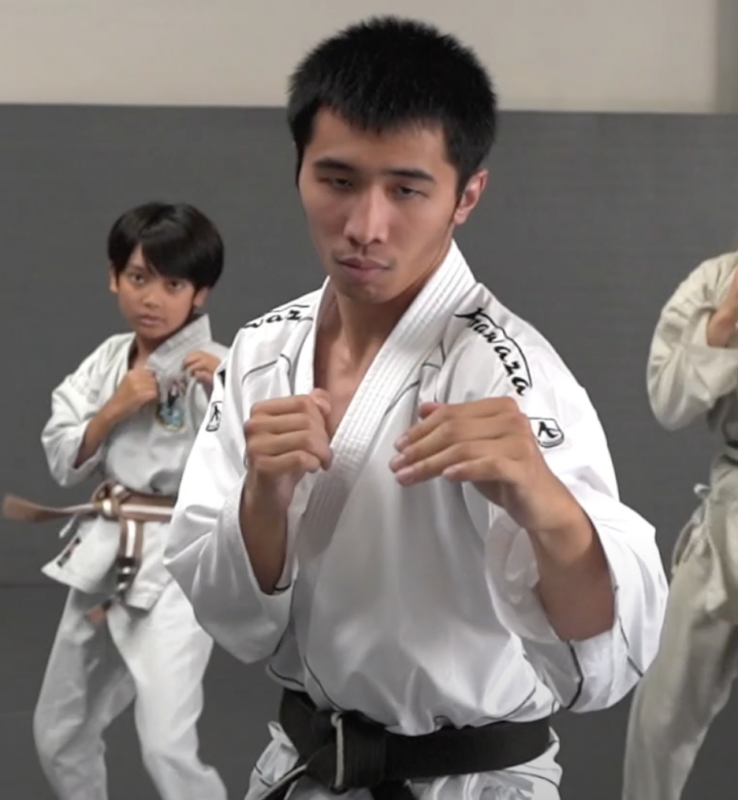
Martial arts history is full of masters who preserved tradition, but fewer who reshaped it. Tatsuo Shimabuku, the founder of Isshin-ryu karate, was one of those rare innovators. Born on the island of Okinawa, which was the crossroads of Japanese, Chinese, and indigenous martial traditions, Shimabuku respected the deep roots of karate. Yet he also […]