
Martial Arts
Blending Tradition and Modern Combat For Real World Self-Defense
Jun
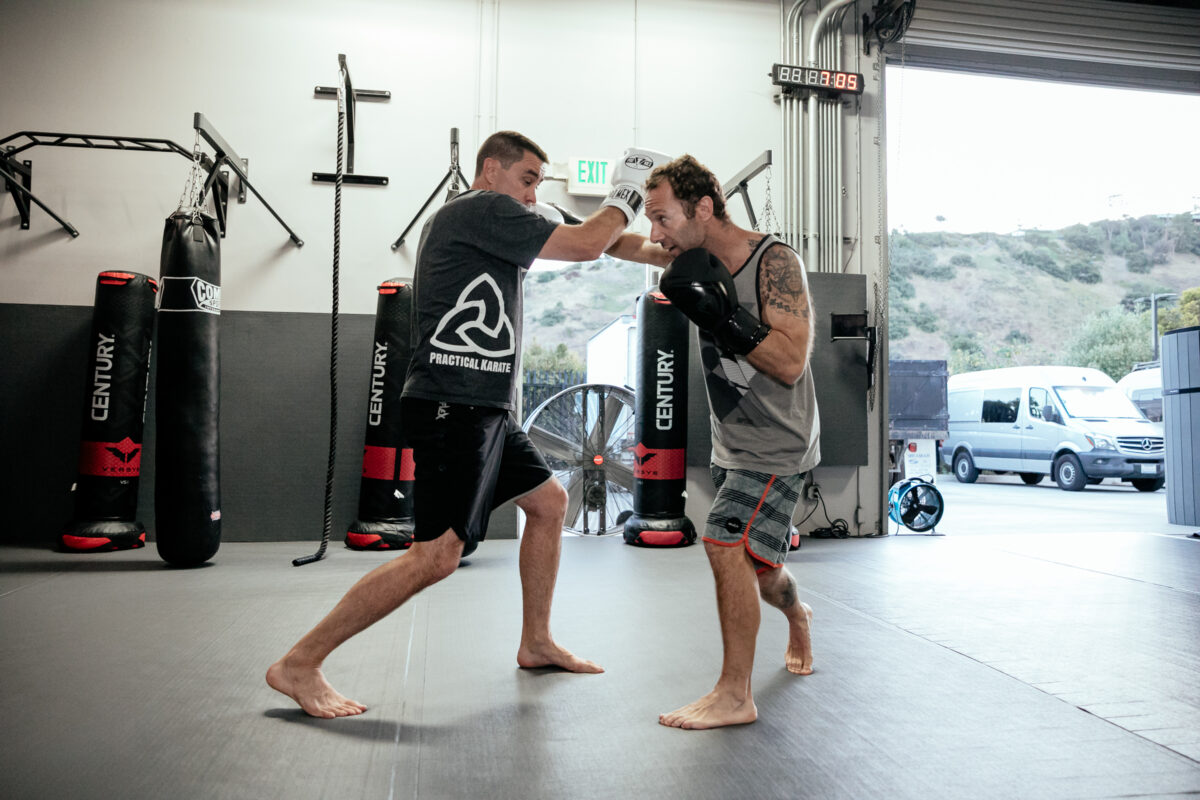
Many martial arts schools focus either on preserving traditional techniques and etiquette or on modern combat sports and competition. Practical Karate in San Diego stands out by blending both approaches. The school respects the cultural values and personal growth found in traditional martial arts, while also teaching modern fighting methods that help students prepare for real-world self-defense.
Practical Karate believes martial arts should offer more than just fighting skills. The traditional side of karate helps students grow personally, building discipline, respect, confidence, and perseverance. These values have always been important in martial arts and are still a key part of training at the school.
At Practical Karate, students learn to respect their instructors, training partners, and themselves. They build self-discipline by practicing regularly and setting goals. The structure of traditional martial arts helps students develop focus, patience, and resilience. These qualities benefit them not just in the dojo, but in everyday life. Whether a child is gaining confidence or an adult is working on self-improvement, these values support personal growth.
Practical Karate values the cultural and personal growth aspects of traditional martial arts, but also understands that self-defense training needs to keep up with the times. Fighting styles have changed a lot over the years. To meet these changes, Practical Karate mixes traditional karate with modern training methods from competition karate, kickboxing, and mixed martial arts (MMA).
One of the most distinctive elements of the Practical Karate system is its use of modern competition karate footwork. Competitive karate athletes are known for their ability to control distance with remarkable precision. They move quickly in and out of range, creating opportunities to attack while avoiding counterattacks. This dynamic movement style allows fighters to remain mobile, unpredictable, and difficult to hit.
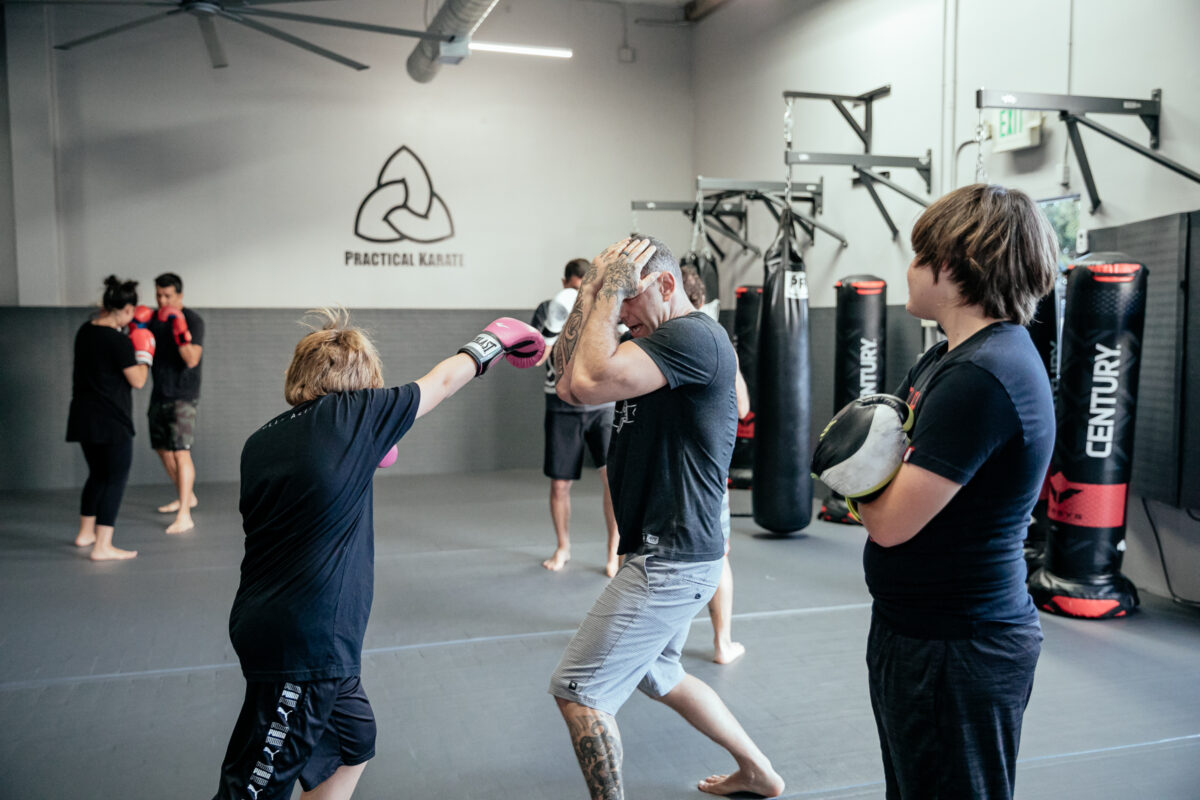
At Practical Karate, students spend considerable time developing this type of footwork. Rather than remaining stationary, they learn how to manage distance effectively and move fluidly around an opponent. This emphasis on mobility helps students understand one of the most important concepts in fighting: range management.
The ability to move efficiently in and out of striking distance can often determine the outcome of a confrontation. By learning how to enter range safely, deliver techniques, and exit before an opponent can respond, students develop skills that are valuable both in competition and self-defense scenarios. Effective footwork also allows students to create angles, avoid attacks, and position themselves for successful counters.
Another key component of Practical Karate’s approach is the incorporation of point fighting principles. Point fighting has long been a staple of karate competition and is often misunderstood by those outside the sport. While point fighting competitions involve stopping action after a scoring technique, the training methods used to develop successful competitors can be incredibly valuable.
Point fighting demands exceptional speed, timing, accuracy, and reaction ability. Competitors must recognize openings in fractions of a second and execute techniques with precision. They must also anticipate their opponent’s movements and respond instantly to changing situations.
At Practical Karate, students use point fighting drills to develop these attributes. Through structured exercises and controlled sparring, they learn how to launch fast attacks, intercept incoming strikes, and capitalize on opportunities as they arise. These drills sharpen reflexes and teach students to read an opponent’s intentions before fully committing to techniques.
The result is a training environment that produces students with excellent timing and awareness. Rather than relying solely on strength or aggression, students learn how to use speed, positioning, and tactical decision-making to their advantage.
However, Practical Karate does not stop at traditional point fighting. The school recognizes that real self-defense situations and modern combat sports require continuous engagement rather than stop-and-start exchanges. For this reason, students progress beyond point-fighting concepts and learn to apply their skills in a continuous-fighting environment.
Using the footwork, speed, and timing developed through karate training, students practice a sparring style that resembles modern kickboxing and MMA striking. In this format, action continues without interruption, requiring students to combine techniques, defend themselves under pressure, and maintain awareness throughout extended exchanges.
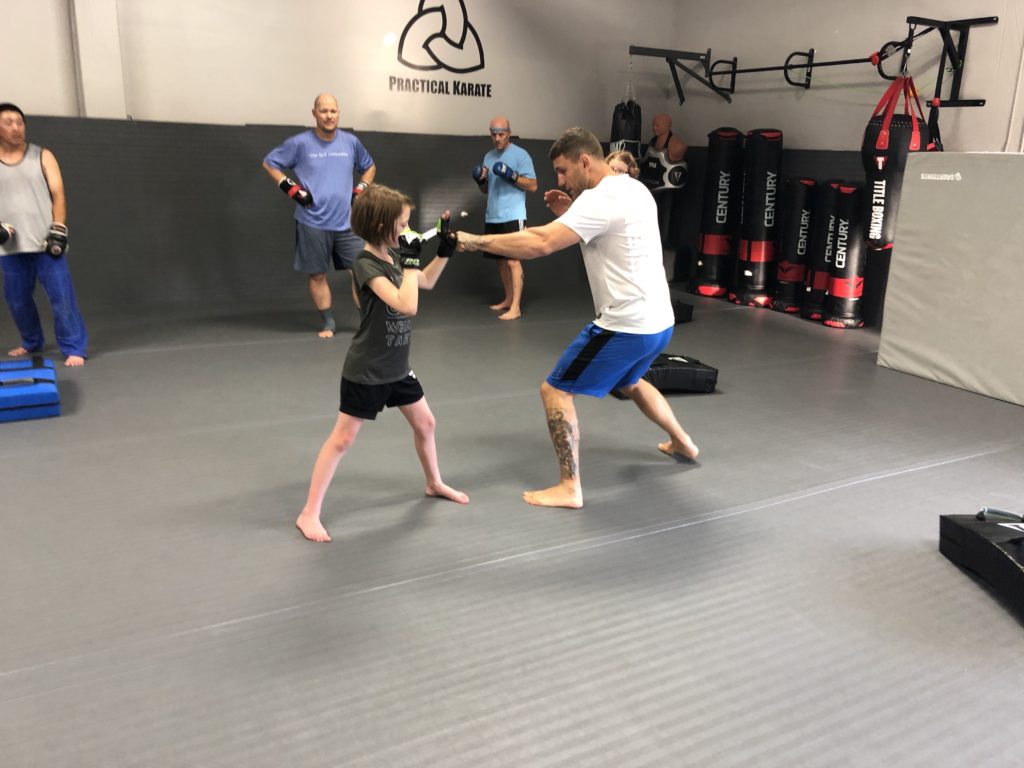
One of the most noticeable differences is the emphasis on keeping the hands up in a protective guard position. While traditional karate stances often place the hands lower, modern striking arts have demonstrated the effectiveness of maintaining a high guard for defense and counterattacking opportunities. Practical Karate incorporates this modern approach while still utilizing the explosive movement and striking principles that make karate unique.
This hybrid style allows students to blend the best elements of multiple martial arts systems. They retain the speed and precision associated with karate while developing the ability to fight continuously and adapt to realistic situations. Students learn how to attack, defend, counter, and move seamlessly during live exchanges.
The benefits of this approach extend beyond physical techniques. Continuous sparring develops composure under pressure, problem-solving skills, and mental toughness. Students become comfortable making decisions while fatigued and under stress, which is a critical component of effective self-defense.
Practical Karate’s training philosophy reflects a growing trend within the martial arts community: preserving tradition while embracing innovation. Rather than viewing traditional and modern approaches as competing philosophies, the school sees them as complementary components of a complete martial arts education.
Traditional martial arts provide structure, character development, and a connection to the rich history of karate. Modern training methods contribute realism, athleticism, and practical application. Together, these elements create a system that develops well-rounded martial artists who are both capable fighters and confident individuals.
For students in San Diego seeking more than just a workout, Practical Karate offers an opportunity to learn meaningful self-defense skills while also experiencing the personal growth that martial arts have provided for generations. Through a combination of traditional values, competition-based footwork, point fighting speed and timing, and modern continuous sparring methods, students gain a comprehensive understanding of both the art and science of fighting.
The result is a unique martial arts program that prepares students not only to defend themselves but also to become stronger, more disciplined, and more confident versions of themselves. By blending the wisdom of traditional karate with the realities of modern combat, Practical Karate continues to offer a practical, effective path for martial arts training in San Diego.
