

Martial Arts
Martial Arts Classes for Teens at Practical Karate
Apr
Teenagers today face a paradox when it comes to fitness and personal development. On one hand, they have more access than ever to sports, training information, and fitness resources. On the other, many struggle to stay active, build confidence, and find a positive peer group that motivates them to grow. That’s where martial arts classes for teens like our boxing, karate, wrestling, and judo programs at Practical Karate in San Diego create something uniquely impactful.
By blending striking arts (boxing and karate) with grappling arts (judo and wrestling), the academy offers teens a complete physical education—one that develops conditioning, confidence, resilience, and community all at once.
Fitness That Goes Beyond Traditional Workouts
For many teens, conventional workouts feel repetitive or isolating. Lifting weights alone or running on a treadmill rarely captures their interest long-term. Combat sports training solves this problem by embedding fitness inside skill-building.
When teens train in boxing, karate, wrestling, or judo, conditioning is not separate from learning—it’s integrated. Every class includes functional movement patterns that build real athleticism:
- Footwork drills improve agility and coordination.
- Pad work and bag rounds develop endurance and upper-body stamina.
- Grappling rounds strengthen the core, legs, and grip.
- Live drills enhance balance, reaction time, and mobility.
Because the training is interactive and goal-oriented, teens push themselves harder without feeling like they’re “working out.” They’re focused on executing combinations, completing takedowns, or escaping holds—and the fitness gains happen organically.
Over time, parents and teens notice measurable improvements:
- Increased cardiovascular endurance
- Better posture and body awareness
- Healthy weight management
- Improved strength without excessive bulk
- Higher daily energy levels
The result is a sustainable fitness routine teens actually want to attend.
Confidence Through Striking Arts
One of the most immediate confidence builders for teens is learning how to strike effectively. Boxing and karate provide structured pathways to develop this skill safely and progressively.
Boxing: Precision, Timing, and Composure
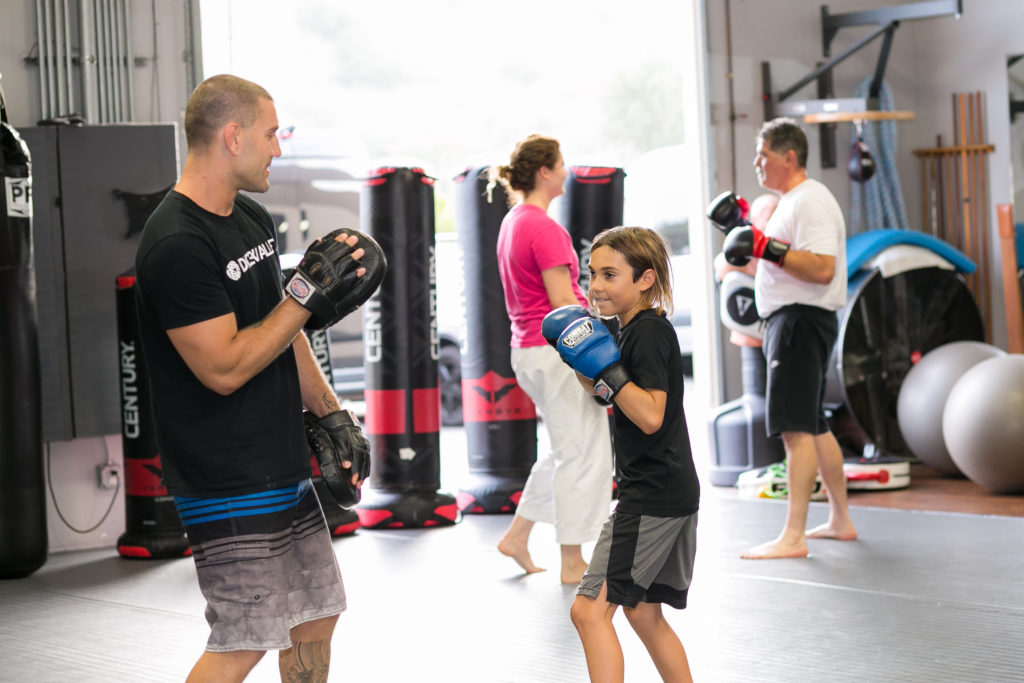
In boxing classes, teens learn stance, guard, footwork, and punch mechanics. Pad work and controlled partner drills teach them how to deliver strikes with accuracy while maintaining defense.
As teens improve, several psychological shifts occur:
- They become less intimidated by physical confrontation.
- They learn to stay calm while under pressure.
- They develop discipline through round-based training.
They experience pride in technical improvement.
Boxing also teaches emotional regulation. Hitting pads or bags provides a healthy outlet for stress while reinforcing control rather than aggression.
Karate: Tradition, Discipline, and Technical Striking
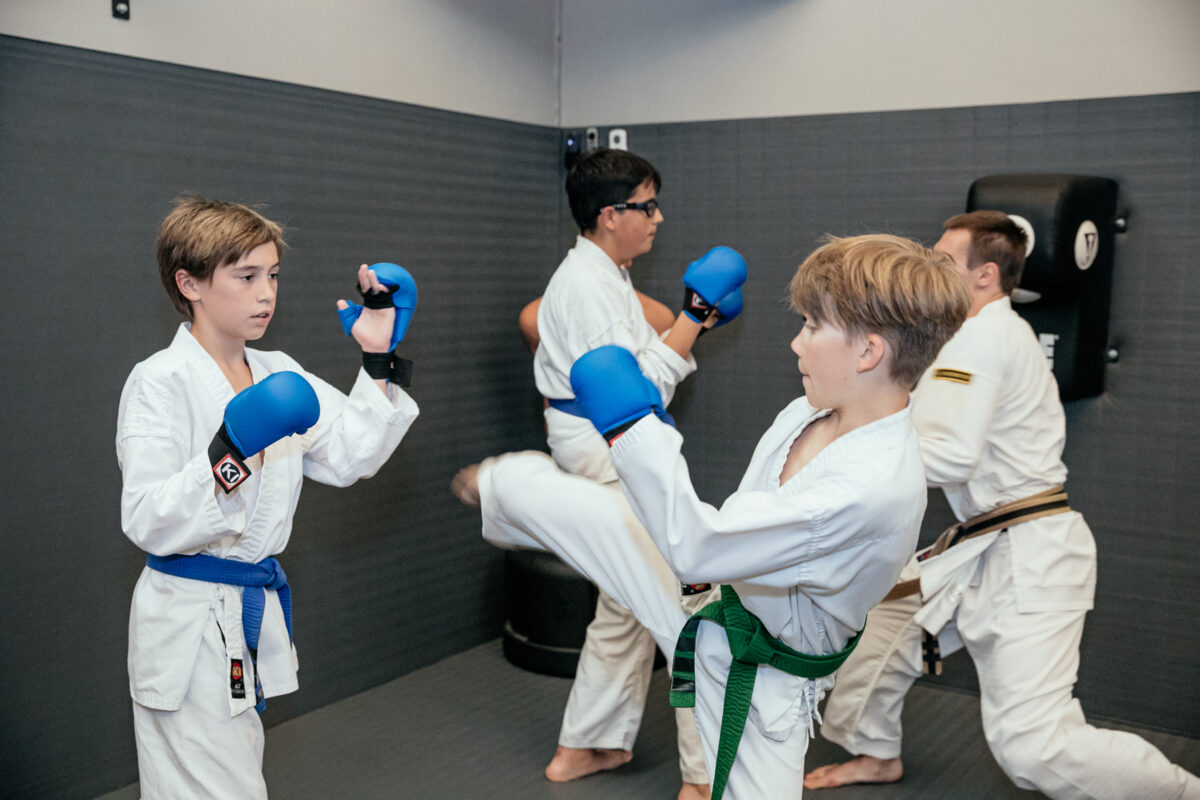
Karate complements boxing by adding traditional martial arts structure and a broader striking vocabulary—kicks, knees, distance management, and formal technique progression.
Teens benefit from:
- Belt ranking systems that reward effort
- Forms and drills that develop focus
- Respect-based class culture
- Emphasis on self-control and character
Karate builds confidence not just through physical ability but through achievement milestones. Advancing ranks reinforces perseverance and goal-setting.
Together, boxing and karate give teens striking competence from both modern and traditional perspectives—practical skills paired with disciplined mindset development.
Confidence Through Grappling Arts
While striking builds assertiveness, grappling builds reassurance. Wrestling and judo teach teens what to do when a confrontation closes distance—arguably the most common real-world scenario.
Wrestling: Pressure, Control, and Toughness
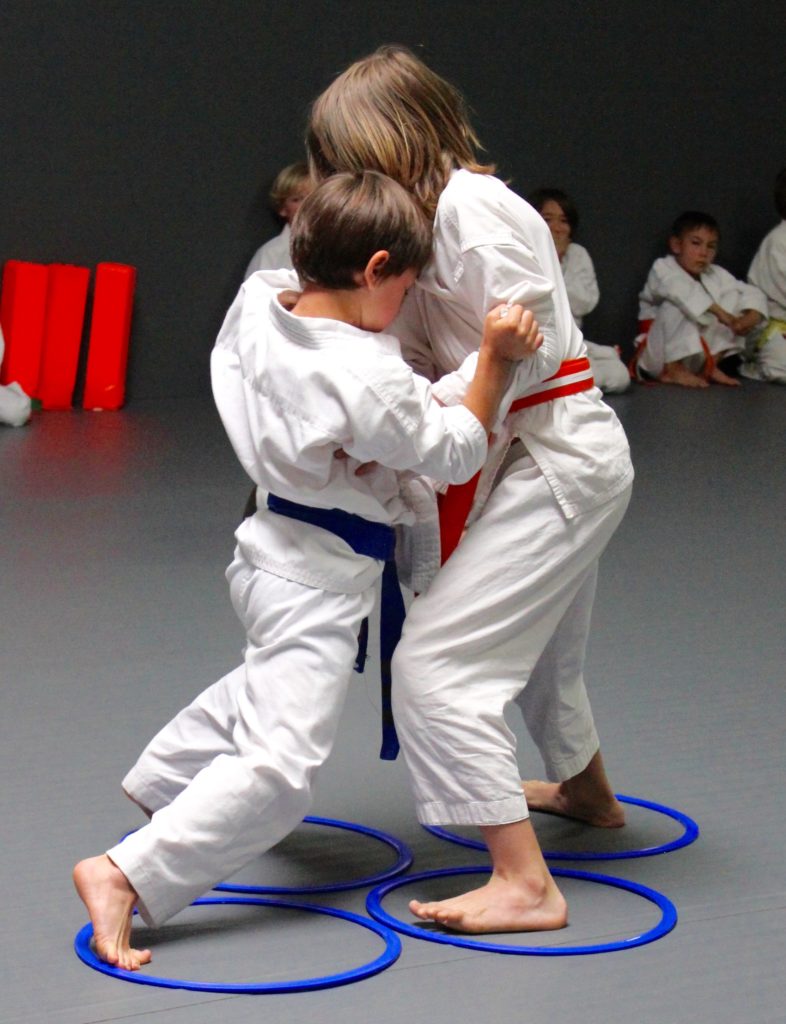
Wrestling develops relentless work ethic. Teens learn takedowns, positional control, escapes, and reversals through high-effort drilling and live rounds.
The benefits extend beyond physical strength:
- Mental toughness from sustained effort
- Comfort with body contact and pressure
- Problem-solving under fatigue
- Persistence through difficult rounds
Wrestling teaches teens they can endure more than they thought—an insight that carries into academics and life challenges.
Judo: Technique, Balance, and Leverage
Judo adds a technical throwing and submission dimension. Teens learn how to use timing and leverage rather than brute force.
Training includes:
- Off-balancing (kuzushi) principles
- Hip throws, foot sweeps, and trips
- Breakfalls for safe landing
- Pins and submissions
Judo builds confidence through mastery of body mechanics. Smaller teens learn they can control larger partners using technique—a powerful psychological equalizer.
A Complete Skill Set: Striking + Grappling
When teens train in both striking and grappling, they develop a well-rounded martial foundation.
They learn:
- How to manage distance with strikes
- How to defend if taken down
- How to control or escape on the ground
- How to remain composed in chaotic scenarios
This completeness eliminates fear of the unknown. Teens aren’t relying on a single skill—they understand multiple ranges of engagement.
From a developmental standpoint, cross-training also prevents burnout. Each art challenges the body differently, keeping training fresh and engaging.
Community: The Hidden Advantage
While fitness and confidence are obvious benefits, the community aspect of Practical Karate’s teen programs may be the most transformative.
Adolescence is a period where peer influence is powerful. Being surrounded by motivated, respectful training partners shapes behavior in positive ways.
Encouragement Over Competition
Although martial arts involve sparring and live drills, the academy culture emphasizes growth over ego. Teens push each other to improve rather than tear each other down.
You’ll see:
- Teammates helping each other drill techniques
- Older students mentoring newer ones
- Applause after belt promotions
- Group pride in collective progress
- This supportive environment makes teens feel they belong.
Shared Hardship Builds Bonds
There’s something uniquely bonding about sweating through difficult rounds together. When teens struggle through conditioning drills or grappling rounds side-by-side, camaraderie forms quickly.
They celebrate:
- First successful throws
- Tough sparring rounds completed
- Tournament participation
- Personal fitness milestones
- Friendships built through effort tend to be resilient and positive.
Positive Role Models
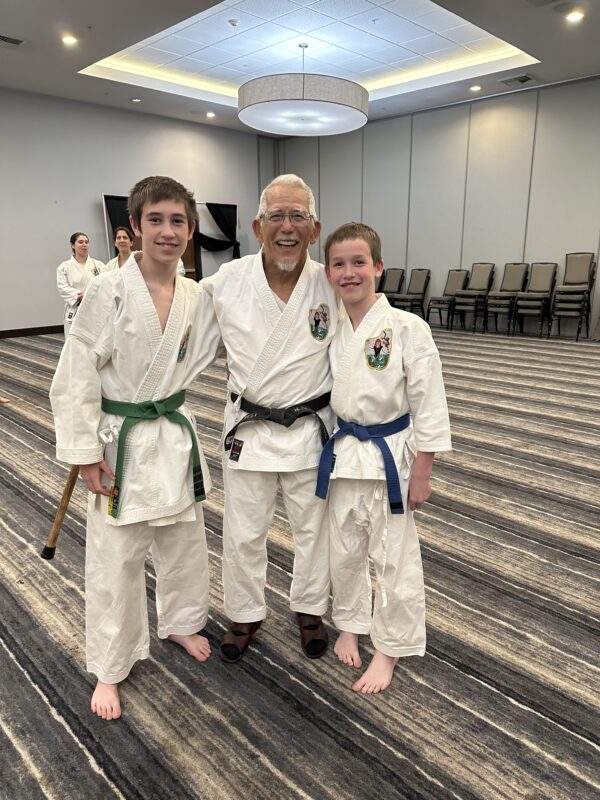
Coaches and advanced students serve as examples of discipline, respect, and perseverance. Teens absorb these behaviors through daily exposure.
They learn:
- How to handle winning and losing gracefully
- How to support teammates
- How to take constructive feedback
- How to stay consistent even when training is hard
- These are life skills disguised as sports culture.
Mental and Emotional Development
Combat sports training provides structured adversity—a controlled environment where teens face fear, fatigue, and challenge regularly.
Over time, this produces:
- Greater emotional resilience
- Reduced anxiety in stressful situations
- Improved focus and attention span
- Healthier stress outlets
- Teens who may struggle socially or academically often find grounding in martial arts because progress is tangible and merit-based.
- Effort equals improvement—a powerful developmental lesson.
Safety Through Structure
Parents often worry about injury risk, but structured martial arts programs mitigate that concern through:
- Progressive contact levels
- Protective equipment
- Supervised sparring
- Emphasis on control
- Clear behavioral expectations
Because Practical Karate integrates traditional martial arts discipline with modern coaching methods, safety remains central while still delivering authentic training.
Preparing Teens for Life
Ultimately, the value of boxing, karate, wrestling, and judo training extends far beyond the mat.
Teens develop:
- Physical fitness habits that last into adulthood
- Self-confidence rooted in competence
- Social networks built on positivity
- Respect for structure and authority
- Ability to face adversity constructively
Whether they continue martial arts long-term or transition into other pursuits, the foundation remains.
The boxing, karate, wrestling, and judo programs at Practical Karate in San Diego offer teens far more than extracurricular activity. They provide a comprehensive development system—one that strengthens the body, sharpens the mind, and surrounds students with a community that wants to see them succeed.
Through striking arts, teens gain assertiveness and composure. Through grappling arts, they gain reassurance and resilience. Through shared training, they gain friendships and belonging.
Fitness improves. Confidence grows. Community forms. And in an age where teens need positive outlets more than ever, that combination is invaluable.
