
Martial Arts
Women’s Self Defense Class Tuesday February 3rd and Friday February 20th
Jan
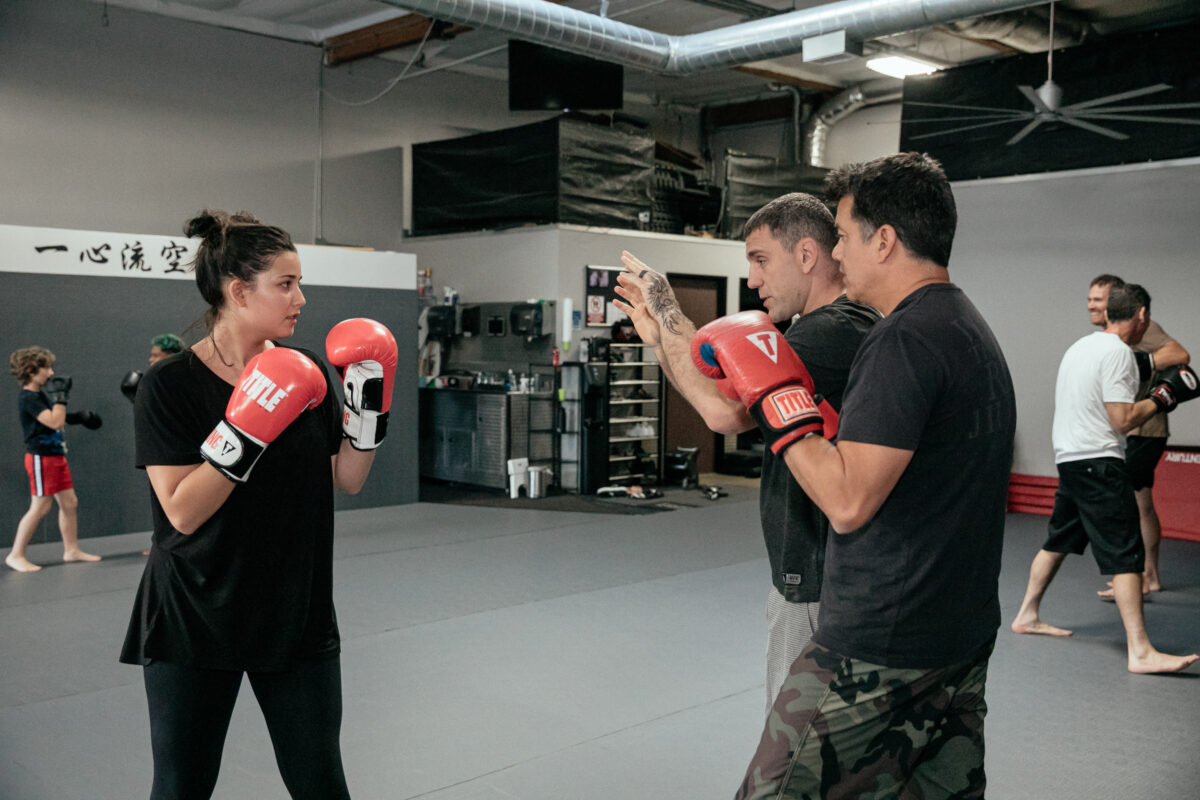
Practical Karate is rolling out two focused Self Defense classes on Tuesday, February 3, 2026, and Friday, February 20, 2026, and they’re designed to do something most “self defense seminars” don’t: build usable skills under pressure. Yes, students will learn techniques how to break grips, create space, and move and strike efficiently but the larger goal is confidence through clarity. Real self defense is decision-making, timing, awareness, and managing uncertainty. These upcoming sessions are built to give students a playbook they can actually run when things get messy.
Self-defense is more than techniques.
A lot of people picture self defense as a list of techniques—“If they grab your wrist, do this.” But real encounters don’t start with a clean grab and a calm brain. They often start with ambiguity: a stranger closing distance too quickly, an uncomfortable conversation, the feeling that something is off. That’s why these Practical Karate classes emphasize strategies first, then techniques. If you can recognize danger earlier, position yourself more effectively, and make faster decisions, your techniques become more straightforward and more effective.
The February classes will help students understand the full continuum: avoidance → deterrence → escape → physical response. The goal is not to “win a fight.” The goal is to get home safely.

Situational awareness: the skill that prevents most fights
The most powerful self defense tool is the one you use before anything turns physical: awareness. Practical Karate’s approach is to make awareness a trainable habit rather than a vague idea. Students will learn how to scan an environment without paranoia—where to stand in line, how to choose a seat in a restaurant, how to notice exits and obstacles, and how to identify behavior that doesn’t match the setting.
This is about creating time. Time to change direction, time to create distance, time to get help. Even a two-second head start can completely change the options available to you.
Students will work on reading proximity and intent recognizing when someone is nearby versus when they are closing distance with purpose. They’ll practice maintaining a personal space “bubble” and using minor movement adjustments—angling off, stepping to keep obstacles between you and a threat, or moving to a more public area—so you don’t get anchored in a bad position.
The OODA Loop: how you win with speed of decision
One of the most practical frameworks introduced in these classes is the OODA Loop: Observe, Orient, Decide, Act. Originally used to describe decision-making under pressure, it translates perfectly to self-defense because it explains what people experience in real time: confusion, delay, and overwhelm.
In the February sessions, students will learn how to run their own OODA loop faster and disrupt the other person’s loop. When you spot cues early (Observe), interpret them correctly (Orient), choose a simple plan (Decide), and execute immediately (Act), you stop freezing and start moving with purpose.
More importantly, students will learn how hesitation creates vulnerability. The point isn’t reckless action—it’s decisive action based on a simple ruleset. For many situations, the best decision is not a complicated technique. It’s: create space, move to safety, and leave. The OODA Loop helps make that choice faster.
Training for scenarios, not just “techniques.”
Technique matters, but self defense is context-dependent. What works in a sparring exchange may not be the correct answer in a crowded parking lot, a hallway, or a social situation where boundaries are being tested. These classes are structured around scenario-based thinking, so students understand what to do when, not just how to do a move.
Examples of scenarios students will train for include:
-
The “unknown contact” approaching
Students will learn distance management, verbal boundary setting, and movement that keeps an exit available. They’ll practice using hands in a non-threatening “fence” position—palms up, conversational posture—so they’re both de-escalating and ready to act. The objective: don’t get surprised, don’t get cornered, don’t let someone take the space you need.
-
Wrist, clothing, and grab escapes
Grabs are common because they’re simple. The class will cover practical releases that don’t depend on perfect timing or strength. Students will learn how to strip grips, turn weak angles into strong ones, and immediately transition into movement—because escaping the grab is only the first step. The follow-up is getting off the line and creating distance.
-
Wall or corner pressure
When space disappears, panic spikes. Students will work on framing, head positioning, and simple strikes and off-balancing tactics to create a gap. The emphasis is getting your body aligned so you can move—not trading punches while pinned.
-
Ground survival basics
Even people with good stand-up skills can slip, get tackled, or end up on the floor. Students will practice fundamental “get up” mechanics—protecting the head, creating frames, using legs intelligently, and standing up safely without turning away and exposing the back. The goal is not grappling for sport; it’s standing up and leaving.
-
Multiple variables: bystanders, obstacles, and exits
Real environments have curbs, cars, furniture, uneven ground, and other people. Students will learn how to move with their surroundings—using barriers, understanding foot placement, and choosing the most straightforward path to safety.
Verbal skills and boundary-setting
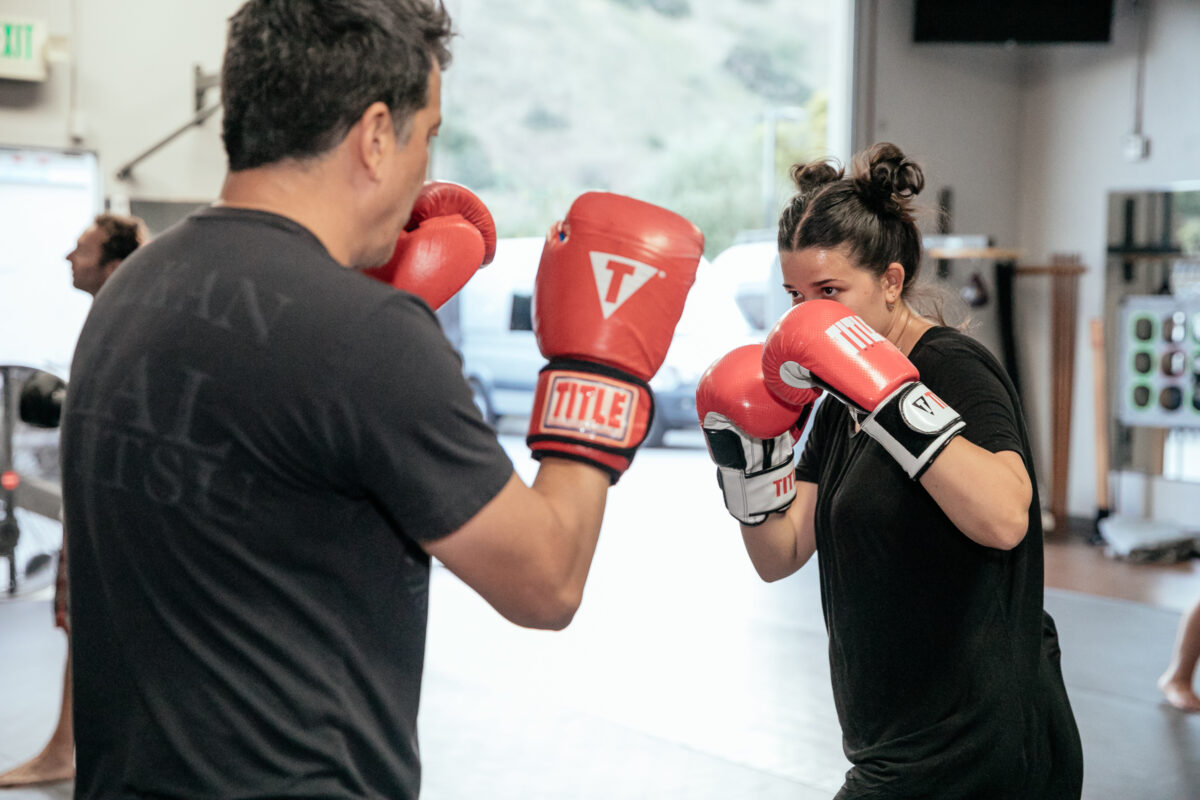
A key element of Practical Karate’s self defense curriculum is treating “pre-fight” skills as fundamental skills. Students will practice assertive communication: clear statements, strong posture, confident voice, and de-escalating language that still sets a firm boundary. Many confrontations can be defused—or avoided—by appearing difficult to target.
This is also where students learn the difference between being polite and being safe. The class reinforces that you’re allowed to create distance, say no, and leave a conversation that feels wrong. The earlier you act, the less physical the situation needs to become.
Pressure testing: making skills real
The most significant gap in self defense training is often stress. People “know” techniques but can’t access them when adrenaline hits. These classes will bridge that gap by training simple, high-percentage actions and then gradually adding realism: movement, resistance, and decision-making under time constraints.
When students train this way, they don’t just collect techniques—they build the ability to perform them. Confidence becomes earned, not imagined.
Why two dates matters
Holding these sessions on 2/3/26 and 2/20/26 gives students something valuable: a chance to learn, practice, and then return with better questions and sharper execution. Self-defense isn’t a one-and-done topic. The first class builds the framework—awareness, decision-making, core tactics. The second reinforces it, expands scenarios, and tightens performance.
That progression is how Practical Karate approaches all training: skills are taught, drilled, tested, and refined.
The takeaway
These upcoming Self Defense classes are a chance to develop a complete personal safety toolkit: practical techniques, yes—but also strategies that prevent trouble from escalating into violence in the first place. You’ll learn to spot problems early, manage distance, communicate boundaries, make decisions under stress using the OODA Loop, and respond effectively in realistic scenarios.
Self defense isn’t about being fearless. It’s about being prepared. On February 3rd and February 20th, students won’t just learn what to do they’ll learn how to think. And that’s what makes the skills stick when it counts.
